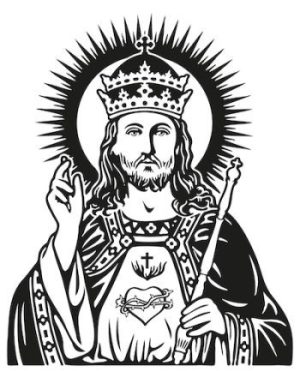
The Ascension of the Lord celebrates the return of Jesus Christ to the Father after His Resurrection. It is one of the great solemnities of the Catholic Church and is traditionally celebrated on the fortieth day of Easter, although many countries transfer the celebration to the following Sunday.
The Ascension is not the end of Jesus’ presence with His Church. Rather, it marks a new stage in the mission of the Church. Christ ascends to the Father and promises the coming of the Holy Spirit.
Canon 1246 includes the Ascension among the Holy Days named in universal Church law, while also allowing bishops’ conferences to transfer or suppress certain Holy Days with the approval of the Holy See.
What does the Ascension mean?
The Ascension teaches us that Jesus Christ is risen and glorified.
After appearing to His disciples following His Resurrection, Jesus commissions them to proclaim the Gospel. He then ascends into Heaven.
The disciples are not left without hope.
Christ promises to remain with His Church and sends the Holy Spirit to strengthen His followers.
The Ascension therefore points toward the mission of every Christian.
We are called not simply to admire Jesus but to continue His mission in the world.
Why is the Ascension important?
The Ascension reminds us that our ultimate destiny is not limited to this earthly life.
Jesus has gone before us.
He is seated at the right hand of the Father, and Christians live with the hope of eternal life with God.
The Catechism teaches that the Ascension signifies Christ’s definitive entrance into God’s heavenly realm and His continuing intercession for us. The feast therefore combines joy with hope.
Is the Ascension always on Thursday?
No.
The traditional date is forty days after Easter, which places the Ascension on Thursday of the sixth week of Easter.
However, some bishops’ conferences transfer the celebration to the Seventh Sunday of Easter.
For example, the United States allows ecclesiastical provinces to transfer the Ascension from Thursday to Sunday.
This is why Catholics should consult their local diocese for the date and whether the feast is a Holy Day of Obligation in their area.
How do Catholics observe the Ascension?
Where the Ascension is a Holy Day of Obligation, Catholics participate in Holy Mass.
Canon 1247 establishes the obligation to participate in Mass on Sundays and Holy Days of Obligation, while Canon 1248 recognizes attendance at Mass on the evening before the feast as fulfilling the obligation.
Catholics can also spend time in prayer reflecting on Christ’s victory, His heavenly glory, and His promise to remain with His Church.
Prayer for the Ascension of the Lord
Lord Jesus Christ,
You rose from the dead and ascended in glory to the Father.
Strengthen our faith in Your victory over sin and death.
Help us to remember that our true home is Heaven and that our earthly lives should always lead us closer to You.
Send Your Holy Spirit upon us.
Give us courage to proclaim Your Gospel and faithfulness to follow You each day.
When we become discouraged, remind us that You reign in glory and intercede for Your people.
May we one day share in the eternal life You have promised.
Amen.
What is the Ascension of the Lord?
It celebrates Jesus Christ ascending into Heaven after His Resurrection.
When is the Ascension celebrated?
Traditionally, it is celebrated forty days after Easter, but many countries transfer it to Sunday.
Is the Ascension a Holy Day of Obligation?
It depends on the country and local bishops’ conference.