
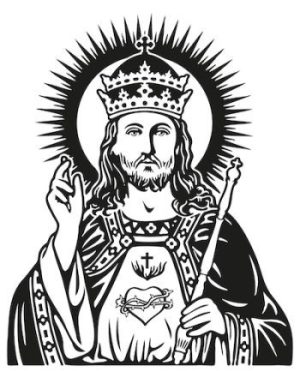
Palm Sunday, known in the Catholic Church as the Palm Sunday of the Passion of the Lord, is the solemn yet joyful gateway into Holy Week—the most sacred time in the liturgical year. Celebrated on March 29, 2026, it commemorates Our Lord’s triumphal entry into Jerusalem, an event that fulfills ancient prophecy and reveals the mystery of Christ as both humble King and suffering Servant.
In the Roman Rite, this day marks the final Sunday of Lent and the beginning of the Paschal Triduum’s prelude, blending exuberant praise with the stark foreshadowing of the Cross.
Why We Celebrate Palm Sunday
We celebrate Palm Sunday to enter liturgically and spiritually into the events that lead directly to Christ’s Passion, Death, and Resurrection. The Church invites us to acclaim Jesus as Messiah and King, while simultaneously confronting the reality of His impending betrayal, suffering, and sacrifice. This dual character—triumph and sorrow—is woven into the very fabric of the day’s liturgy: the joyful procession with palms gives way to the solemn reading of the full Passion narrative (from Matthew, Mark, or Luke, depending on the liturgical year; in 2026, Year A, it is from Matthew).
As the faithful wave blessed palm branches and process into the church singing “Hosanna,” we echo the crowds who welcomed Jesus, yet we know the same voices would soon cry “Crucify Him!” This contrast invites deep examination of conscience: How do we welcome Christ into our lives today? Do we acclaim Him only when it suits us, or do we follow Him faithfully to Calvary?
Significance in Catholic Theology
The significance of Palm Sunday is rich and multifaceted:
- Fulfillment of Prophecy: Jesus enters Jerusalem riding on a donkey’s colt, fulfilling Zechariah 9:9: “Rejoice greatly, O daughter of Zion! Shout aloud, O daughter of Jerusalem! Behold, your king comes to you; triumphant and victorious is he, humble and riding on an ass, on a colt, the foal of an ass.” The donkey symbolizes peace, not conquest—Christ comes not as a military ruler but as the Prince of Peace.
- Kingship and Humility: The crowds spread cloaks and palm branches (symbols of victory, peace, and martyrdom in Jewish tradition) before Him, shouting “Hosanna to the Son of David! Blessed is he who comes in the name of the Lord! Hosanna in the highest!” (Matthew 21:9; cf. Psalm 118:25–26). This messianic acclamation recognizes Jesus as the promised King, yet His humble mode of entry points to the spiritual nature of His kingdom.
- The Lamb Set Apart: In Jewish tradition, the Passover lamb was selected on the 10th of Nisan (Exodus 12). Jesus enters Jerusalem on this very day, presenting Himself as the true Paschal Lamb, without blemish, destined for sacrifice (cf. 1 Corinthians 5:7; 1 Peter 1:19). Palm Sunday thus marks the solemn beginning of the events leading to our redemption.
- From Glory to the Cross: The day holds a poignant tension—joyful praise quickly gives way to betrayal and suffering. As St. Bernard of Clairvaux reflected, how swiftly the green branches turn to thorns, the cloaks to stripped garments, the Hosannas to mockery. This teaches us the fickleness of human hearts and calls us to steadfast fidelity.
In the heavenly vision of Revelation 7:9–10, the redeemed stand before the throne holding palm branches, crying “Salvation belongs to our God… and to the Lamb.” What began on earth in Jerusalem will find its eternal fulfillment in the worship of the risen Christ.
Key Scriptural Foundations
The event is recounted in all four Gospels:
- Matthew 21:1–11 — Detailed account of the donkey, crowds spreading cloaks and branches, and cries of “Hosanna.”
- Mark 11:1–11 — Emphasizes the colt never ridden before, symbolizing purity.
- Luke 19:28–40 — Includes Jesus’ response: “If these were silent, the very stones would cry out.”
- John 12:12–19 — Explicitly mentions palm branches and links to the raising of Lazarus, which stirred the crowds.
These passages, read during the blessing of palms and the procession, root the celebration in Sacred Scripture.
Catholic Traditions and Liturgy
The Mass begins with the blessing of palms (or olive/other branches in some regions) and a procession, often outdoors or through the church, with hymns like “All Glory, Laud, and Honor.” Red vestments are worn, signifying both royal dignity and martyrdom.
The Passion is proclaimed dramatically, often with parts for the crowd, narrator, and Christ. Blessed palms are taken home as sacramentals—placed behind crucifixes or burned for next year’s Ashes—to remind us of Christ’s victory over sin and death.Palm Sunday invites us to lay down our own “palms”—our praises, our wills, our lives—before the Lord. As we enter Holy Week, may we accompany Jesus not only in His triumph but in His Passion, trusting that the Cross leads to Resurrection.
“Hosanna in the highest! Blessed is He who comes in the name of the Lord!” (Mark 11:9–10).
May this Holy Week draw us ever closer to the Heart of Christ.
Leave us your prayers…