
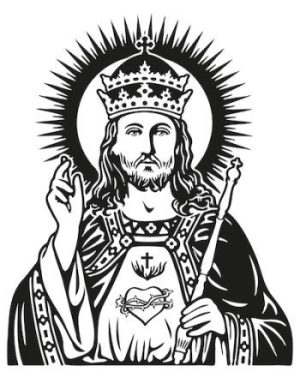
Palm Sunday, known in the Church as the beginning of Holy Week, commemorates the solemn and triumphant entrance of Jesus Christ into Jerusalem. This sacred moment, recorded in all four Gospels, is rich in symbolism, prophecy, and profound spiritual meaning. It is both a celebration of Christ’s kingship and a prelude to His Passion.
Why Do We Celebrate Palm Sunday?
Palm Sunday is celebrated to remember the day when Jesus entered Jerusalem to the joyful acclaim of the people, who greeted Him as the long-awaited Messiah. They spread their cloaks on the road and waved palm branches, crying out:
“Hosanna! Blessed is He who comes in the name of the Lord!” (Mark 11:9)
In the ancient world, palm branches were symbols of victory, triumph, and peace. By welcoming Jesus in this way, the crowds were acknowledging Him as a king. Yet, they did not fully understand the kind of king He truly was.
For Catholics, Palm Sunday is not merely a historical remembrance. It is a liturgical participation in the mystery of Christ. The faithful carry palms in procession, entering spiritually into that moment, recognizing Jesus as Lord while preparing their hearts for His Passion.
The Meaning of Jesus Entering Jerusalem
The entrance of Jesus into Jerusalem reveals a powerful paradox: Christ is a King—but not as the world expects.
1. The Fulfillment of Prophecy
Jesus deliberately fulfills the prophecy of Zechariah:
“Behold, your king comes to you; humble and riding on a donkey…” (Zechariah 9:9)
By choosing to ride a donkey instead of a war horse, Jesus reveals that His kingship is not one of earthly power, violence, or domination, but of peace, humility, and divine authority.
2. A Kingdom Not of This World
The crowds expected a political Messiah—someone who would overthrow Roman rule and restore Israel’s earthly glory. But Jesus came to establish a spiritual kingdom, rooted in truth, love, and sacrifice.
His entry into Jerusalem is therefore deeply ironic:
- He is hailed as King
- Yet He comes to suffer and die
- He is welcomed with joy
- Yet soon will be rejected and crucified
This reveals the mystery of God’s plan: victory through suffering, glory through the Cross.
3. The Beginning of the Passion
Palm Sunday marks the dramatic transition from triumph to suffering. During the Mass, the Church reads the Passion narrative, reminding us that the same voices crying “Hosanna” will soon cry “Crucify Him.”
This invites each believer to reflect:
- Do I truly follow Christ, even in suffering?
- Is my faith rooted in convenience or in sacrifice?
The Spiritual Meaning for Us Today
Palm Sunday is not only about what happened in Jerusalem—it is about what happens in our hearts.
Christ continues to enter our lives, gently and humbly, asking to be received as King. But He does not force His way in. Like the people of Jerusalem, we must choose how we respond.
The palms we carry are signs of victory—but also a call to discipleship. To follow Christ means:
- Embracing humility over pride
- Choosing sacrifice over comfort
- Remaining faithful, even when it is difficult
Did You Know?
- Palm branches symbolize victory and eternal life in Christian tradition.
- In some countries, palms are replaced with olive branches or willow branches.
- The palms blessed on this day are often kept in homes and later burned to make ashes for Ash Wednesday.
- Palm Sunday is also called “Passion Sunday” because the Passion Gospel is read at Mass.
Conclusion
Palm Sunday reveals the true identity of Jesus: the humble King, the suffering Servant, and the Savior of the world. His entry into Jerusalem is not the beginning of political conquest, but the beginning of divine redemption.
As we enter Holy Week, the Church invites us to walk with Christ—from the joy of the palms to the sorrow of the Cross, and ultimately to the glory of the Resurrection.
A Short Prayer for Palm Sunday
Lord Jesus Christ,
You entered Jerusalem in humility and peace,
yet You are the King of Heaven and Earth.
Enter into my heart today,
and reign there with Your love.
Give me the grace to follow You faithfully,
not only in moments of joy,
but also in times of trial and sacrifice.
Hosanna in the highest! Amen.
Leave us your prayers…