
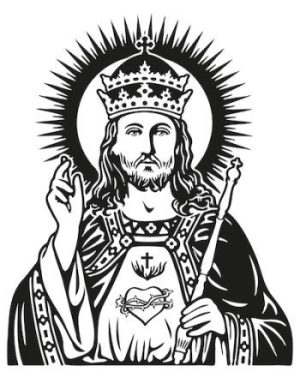

Advent is one of the most beautiful and meaningful seasons in the Catholic Church. It is a sacred time of waiting, hope, prayer, and spiritual preparation as we get ready to celebrate the birth of our Lord and Savior, Jesus Christ, at Christmas.
Every year, as the days grow shorter and Christmas approaches, the Church invites us to slow down, turn our hearts toward God, and prepare ourselves spiritually for the coming of Christ.
But Advent is about more than preparing Christmas decorations, buying gifts, or planning family celebrations. It is a time to prepare our souls, renew our faith, seek forgiveness, and welcome Jesus into our hearts.
The word Advent comes from the Latin word adventus, meaning “coming” or “arrival.” During this holy season, Catholics remember the first coming of Jesus into the world in Bethlehem and prepare for His second coming in glory at the end of time.
Advent reminds us that Jesus Christ is the fulfillment of God’s promises, the light of the world, and the hope of all humanity.
So, what exactly is Advent? Why does the Catholic Church celebrate it? And how can we prepare our hearts during these four weeks before Christmas?
What Is Advent in the Catholic Church?
Advent is the beginning of the liturgical year in the Roman Rite of the Catholic Church. It is a season of approximately four weeks that prepares the faithful for the celebration of the Nativity of Jesus Christ on Christmas Day.
The season begins with First Vespers (Evening Prayer I) of the First Sunday of Advent and ends before First Vespers of Christmas.
During this period, the Church invites Catholics to reflect on the mystery of the Incarnation: God the Son becoming man for our salvation.
Advent has two closely connected meanings.
First, we remember the coming of Jesus Christ into the world. We prepare to celebrate His birth in Bethlehem, where the Son of God entered human history in humility, born of the Blessed Virgin Mary.
Second, we prepare for the second coming of Jesus Christ. We remember that Christ will come again in glory to judge the living and the dead and establish His Kingdom in its fullness.
This is why Advent is not simply a season of looking back at the events of Bethlehem. It is also a time to look forward with hope and prepare ourselves to meet the Lord.
Jesus reminds us to remain spiritually awake:
“Watch therefore, for you do not know on what day your Lord is coming.” (Matthew 24:42)
Advent calls every Christian to live with faith, vigilance, and a heart ready to welcome Christ.
When Does Advent Begin and How Long Does It Last?
Advent begins on the Sunday that falls on or closest to November 30, the Feast of Saint Andrew the Apostle. It always includes four Sundays before Christmas, although the number of days varies from year to year.
The four Sundays of Advent are traditionally known as:
- First Sunday of Advent
- Second Sunday of Advent
- Third Sunday of Advent
- Fourth Sunday of Advent
Each Sunday offers an opportunity to reflect on God’s promises, the coming of the Messiah, and the spiritual preparation needed to welcome Jesus.
The beginning of Advent also marks the beginning of a new liturgical year in the Roman Catholic Church.
For Catholics, this is a wonderful opportunity to renew our commitment to God, examine our spiritual lives, and begin the new liturgical year with a deeper desire to follow Christ.
What Is the Meaning of the Four Weeks of Advent?
The four weeks of Advent help us prepare gradually for Christmas. Each week offers a particular spiritual focus, inviting us to grow in faith and draw closer to Jesus.
First Week of Advent: Hope and Watchfulness
The first week of Advent reminds us to remain spiritually awake and place our hope in God’s promises.
Throughout salvation history, God’s people waited for the promised Messiah. The prophets spoke of a Savior who would bring light to those living in darkness and establish a Kingdom of justice and peace.
Isaiah proclaimed:
“The people who walked in darkness have seen a great light.” (Isaiah 9:2)
That light is Jesus Christ.
During the first week of Advent, we are invited to examine our lives and ask ourselves whether we are truly ready to welcome the Lord.
Are we allowing worldly distractions to take the place of God? Are we making enough time for prayer? Are we living according to the teachings of Jesus?
Advent begins by reminding us that our hope must be placed in Christ.
Second Week of Advent: Preparation and Repentance
The second week of Advent often focuses on the preaching of Saint John the Baptist, who prepared the way for the coming of Jesus.
Saint John called the people to repentance and conversion, reminding them to prepare their hearts for the Messiah.
The Gospel proclaims:
“Prepare the way of the Lord, make his paths straight.” (Matthew 3:3)
These words are especially important during Advent.
Preparing for Christmas means more than preparing our homes. We must also prepare our souls. We are called to recognize our sins, seek God’s mercy, forgive others, and turn away from anything that separates us from Christ.
This is an especially appropriate time to receive the Sacrament of Reconciliation and make a sincere examination of conscience.
Third Week of Advent: Joy
The Third Sunday of Advent is traditionally called Gaudete Sunday. The Latin word Gaudete means “Rejoice.”
This Sunday reminds us that Christmas is drawing near and that the coming of Jesus is a source of great joy.
The priest may wear rose-colored vestments instead of violet, and the third candle of the Advent wreath is traditionally rose-colored.
The Church invites us to rejoice because our Savior has come into the world.
Saint Paul writes:
“Rejoice in the Lord always; again I will say, Rejoice.” (Philippians 4:4)
Christian joy does not mean that our lives are free from suffering or difficulties. It comes from knowing that God loves us, Christ has redeemed us, and our hope is in Him.
During this week, try to bring joy to others through kindness, generosity, encouragement, and acts of charity.
Fourth Week of Advent: Love and the Coming of Christ
The fourth week of Advent brings us very close to Christmas. The Church directs our attention toward the events surrounding the birth of Jesus, especially the faith and obedience of the Blessed Virgin Mary and Saint Joseph.
Mary accepted God’s will with complete trust when the Angel Gabriel announced that she would become the Mother of the Son of God.
Her response remains one of the greatest examples of faith:
“Behold, I am the handmaid of the Lord; let it be to me according to your word.” (Luke 1:38)
Saint Joseph also demonstrated extraordinary faith by accepting God’s plan and protecting Mary and the Child Jesus.
During this final week, we are invited to imitate their faith, humility, obedience, and love.
As Christmas approaches, let us prepare to welcome Jesus not only into our homes but also into the deepest part of our hearts.
What Are the Four Candles of the Advent Wreath?
One of the most recognizable Catholic traditions during Advent is the Advent wreath.
The wreath is usually made of evergreen branches arranged in a circle, with four candles placed around it. Three candles are traditionally violet, and one is rose-colored.
The circular shape reminds us of God’s eternal love, while the evergreen branches symbolize life and hope.
Each Sunday of Advent, another candle is lit, representing the growing light as Christmas approaches.
The four candles are commonly associated with the following themes:
- First candle – Hope: Remembering God’s promises and waiting for the coming of Christ.
- Second candle – Peace: Preparing our hearts through repentance and reconciliation.
- Third candle – Joy: Rejoicing because the coming of our Savior is near.
- Fourth candle – Love: Remembering God’s great love revealed through the birth of Jesus.
The rose candle is lit on the Third Sunday of Advent, Gaudete Sunday, as a sign of rejoicing.
Although the Advent wreath is a beautiful and widespread Catholic custom, its particular symbolism and prayers can vary among families and communities.
Families can place an Advent wreath in their homes and gather together each Sunday to light the appropriate candle, read a passage from Scripture, and pray.
It is a simple but meaningful way to make Christ the center of the Christmas season.
How Should Catholics Prepare for Advent?
Advent is an invitation to prepare spiritually, not simply to prepare for a holiday. Here are several meaningful ways to observe this holy season and draw closer to God.
1. Return to Prayer and Spend More Time With God
One of the best ways to prepare for Advent is to renew your prayer life.
Set aside a few minutes every morning and evening to speak with God. Thank Him for His blessings, ask for forgiveness, and entrust your family and personal intentions to His care.
You can also pray the Rosary, read the Psalms, attend daily Mass when possible, or spend time before the Blessed Sacrament in Eucharistic adoration.
Do not allow the busyness of the Christmas season to take away the time that belongs to God.
Remember that Advent is an opportunity to welcome Jesus into your heart through prayer and faith.
2. Go to Confession and Prepare Your Soul
One of the most important ways to prepare for the coming of Christ is through repentance and reconciliation with God.
Just as we clean and prepare our homes to welcome guests, we should also examine our hearts and remove the spiritual obstacles that keep us away from the Lord.
Make a sincere examination of conscience and consider whether there are sins you need to confess.
The Sacrament of Reconciliation is a beautiful gift through which Christ offers forgiveness and restores us to friendship with God.
Saint John the Baptist called the people to repent and prepare the way of the Lord. His message remains relevant to every Catholic during Advent.
Do not wait until Christmas Eve to think about your spiritual life. Make time during Advent to return to God’s mercy.
3. Read the Bible and Reflect on the Birth of Jesus
Advent is an excellent time to read the biblical passages that prepare us for the coming of the Messiah.
You can begin with the prophecies of Isaiah, which speak of the promised Savior and the hope of God’s people.
You can also read the first chapters of the Gospels of Matthew and Luke, which describe the events surrounding the birth of Jesus.
Consider reflecting on these passages:
- Isaiah 7:14 – The prophecy of Emmanuel.
- Isaiah 9:6 – The promised Child who will be called Prince of Peace.
- Micah 5:2 – The prophecy concerning Bethlehem.
- Matthew 1:18–25 – The birth of Jesus and the obedience of Saint Joseph.
- Luke 1:26–38 – The Annunciation to the Blessed Virgin Mary.
- Luke 1:39–56 – The Visitation and Mary’s Magnificat.
- Luke 2:1–20 – The birth of Jesus in Bethlehem.
Read a short passage each day and ask yourself what God is teaching you through His Word.
4. Practice Charity and Help Those in Need
Advent is also a time to remember those who are suffering, lonely, poor, or forgotten.
As we prepare to celebrate the birth of Jesus, we should remember His call to love our neighbors and serve those in need.
Consider helping a poor family, visiting an elderly person, supporting a charitable organization, or offering assistance to someone experiencing hardship.
Even a small act of kindness can make a difference.
Jesus teaches us that what we do for those in need, we do for Him (Matthew 25:35–40).
Do not allow Christmas to become only about receiving gifts. Make it a season of giving, generosity, and compassion.
5. Forgive Those Who Have Hurt You
Advent is a wonderful time to seek peace and reconciliation.
Perhaps there is someone you have not spoken to in a long time, a family disagreement that remains unresolved, or a person whose actions have caused you pain.
Forgiveness can be difficult, but Christ calls us to forgive as we have been forgiven.
This does not mean accepting abuse or pretending that injustice never happened. It means asking God to remove hatred and bitterness from our hearts and giving Him our pain.
If reconciliation is possible and appropriate, take a step toward peace.
Preparing for Christmas means allowing the love of Christ to transform our relationships.
6. Pray the Rosary and Reflect on the Joyful Mysteries
The Blessed Virgin Mary has a special place during Advent because she was chosen by God to become the Mother of Jesus Christ.
Through her humility and obedience, she accepted the greatest mission entrusted to a human person.
Praying the Rosary, especially the Joyful Mysteries, helps us reflect on the events surrounding the Incarnation and the early life of Jesus.
Consider meditating on:
- The Annunciation
- The Visitation
- The Nativity of Jesus
- The Presentation of Jesus in the Temple
- The Finding of Jesus in the Temple
As you pray, ask Mary to help you prepare your heart to welcome her Son with faith, humility, and love.
7. Reduce Distractions and Make Room for Jesus
The Christmas season can become extremely busy. Shopping, decorating, parties, travel, and other activities can easily take our attention away from the true meaning of Christmas.
During Advent, consider reducing unnecessary distractions.
Spend less time on social media, avoid excessive entertainment, and make room for prayer, silence, Scripture, and family.
You do not need to abandon every Christmas activity. Rather, make sure that these activities do not replace your relationship with God.
Remember that the greatest gift of Christmas is not something we purchase. It is Jesus Christ, the Son of God, who came into the world for our salvation.
Why Is Advent Important for Catholics?
Advent is important because it reminds us of the central mystery of our faith: God became man to save us.
The birth of Jesus in Bethlehem was not an ordinary historical event. It was the fulfillment of God’s promise to send a Savior to redeem humanity from sin.
Through His Incarnation, Jesus entered our human condition, sharing our joys and sufferings while remaining without sin.
He came to reveal the Father’s love, proclaim the Kingdom of God, offer Himself on the Cross, and open the way to eternal life.
Advent helps us remember that Christmas is not merely a celebration of a baby’s birth. It is the celebration of the coming of the Son of God into the world.
It also reminds us that our lives should always be directed toward Christ and that we must remain ready for His return.
The Catechism of the Catholic Church teaches that the coming of God’s Son to earth is an event of such immensity that God prepared for it over centuries (CCC 522).
Every Advent, the Church invites us to enter more deeply into this mystery and renew our love for Jesus.
Frequently Asked Questions About Advent
1. What does Advent mean in the Catholic Church?
Advent comes from the Latin word adventus, meaning coming or arrival. It is the liturgical season during which Catholics prepare to celebrate the birth of Jesus Christ at Christmas and reflect on His second coming in glory.
2. How many weeks is Advent?
Advent has four Sundays and lasts approximately four weeks. It begins with First Vespers of the First Sunday of Advent and ends before First Vespers of Christmas.
3. When does Advent begin?
Advent begins on the Sunday that falls on or closest to November 30, the Feast of Saint Andrew the Apostle. The exact date changes every year.
4. What are the four candles of Advent?
The Advent wreath traditionally has three violet candles and one rose candle. They are commonly associated with hope, peace, joy, and love. The rose candle is lit on Gaudete Sunday, the Third Sunday of Advent.
5. Is Advent a time of fasting for Catholics?
Unlike Lent, Advent does not have a universal requirement of fasting or abstinence in the Roman Catholic Church. However, Catholics are encouraged to practice prayer, penance, self-discipline, and acts of charity as they prepare for Christmas.
6. What prayers should Catholics pray during Advent?
Catholics can pray the Rosary, the Angelus, the Magnificat, traditional Advent prayers, and the daily prayers of the Church. Reading the prophecies of Isaiah and the Gospel accounts of the birth of Jesus is also an excellent way to prepare spiritually.
7. Why is the Third Sunday of Advent called Gaudete Sunday?
Gaudete is a Latin word meaning “Rejoice.” The Third Sunday of Advent emphasizes Christian joy because Christmas is drawing near. The priest may wear rose-colored vestments, and the rose candle of the Advent wreath is lit.
8. Is Advent the beginning of the Catholic liturgical year?
Yes. In the Roman Rite, Advent marks the beginning of a new liturgical year. It is a time to renew our faith and prepare our hearts to follow Jesus more faithfully.
9. What is the difference between Advent and Christmas?
Advent is the season of preparation and expectation before Christmas. Christmas celebrates the Nativity of Jesus Christ, the Son of God who became man for our salvation. Advent prepares us spiritually for this great celebration.
A Prayer to Prepare Our Hearts During Advent
Heavenly Father,
As we begin this holy season of Advent, prepare our hearts to welcome Your Son, Jesus Christ.
Help us turn away from sin, forgive those who have hurt us, and grow in faith, hope, and love.
Teach us to wait patiently for the coming of our Savior, just as Your people waited for the promised Messiah.
Bless our families, guide our homes, and remember those who are poor, lonely, sick, and suffering.
Through the intercession of the Blessed Virgin Mary and Saint Joseph, grant us the grace to welcome Jesus with humble and faithful hearts.
May this Advent bring us closer to You and prepare us not only to celebrate the birth of Christ but also to remain ready for His glorious return.
We ask this through Jesus Christ, our Lord.
Amen.
Final Reflection: Make This Advent a Time to Welcome Jesus
As Advent approaches, let us remember that the most important preparation takes place within our hearts.
We may decorate our homes, prepare beautiful meals, exchange gifts, and gather with our families, but none of these things should take the place of welcoming Jesus Christ into our lives.
Let this Advent be a time of deeper prayer, sincere repentance, greater charity, and renewed faith.
Let us learn from the Blessed Virgin Mary, who trusted God’s promise, and from Saint Joseph, who faithfully accepted God’s plan.
May we open our hearts to the light of Christ and allow His love to transform our lives.
Come, Lord Jesus! May our hearts always be ready to welcome You.
Leave us your prayers…