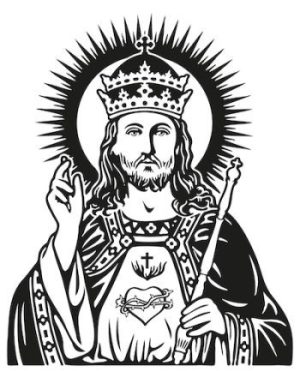
Today, October 13, we honor Saint Edward the Confessor (c. 1003–1066), King of England, remembered for his deep faith, humility, generosity toward the poor, and commitment to justice. Although he held great royal power, Saint Edward sought to serve God and care for the people entrusted to him.
The Life of Saint Edward the Confessor
Saint Edward was born in England around the year 1003, the son of King Ethelred II and Queen Emma. During his youth, political turmoil and the Danish invasion forced him into exile in Normandy, where he spent many years away from his homeland.
In 1042, Edward became King of England. His reign was marked by his religious devotion, his concern for the poor, and his desire to govern with fairness and peace. He understood that kingship was not merely a privilege but a responsibility before God.
Saint Edward was known for his gentle character and charitable spirit. He sought to protect his people from injustice and showed kindness to those in need. His life reminds us that true leadership is not measured by wealth, authority, or worldly honors, but by humility, justice, and service.
Edward married Edith, the daughter of the powerful Earl Godwin. According to longstanding tradition, their marriage was marked by chastity and mutual respect. Despite the responsibilities of his royal office, Edward remained deeply devoted to prayer and the worship of God.
One of his most enduring legacies was the rebuilding of the church dedicated to Saint Peter at Westminster, which became Westminster Abbey. The great abbey reflected his devotion to God and his desire to strengthen the Christian faith in England.
Saint Edward died on January 5, 1066. He was canonized by Pope Alexander III in 1161. His feast is celebrated on October 13, the date associated with the translation of his relics. He became known as “the Confessor” because of his holy life and faithful witness to Christ, rather than because he died as a martyr.
What Can We Learn from Saint Edward?
Saint Edward the Confessor teaches us that holiness is possible in every station of life. Whether we are parents, workers, leaders, or members of our communities, we are called to serve God faithfully.
From his example, we can learn to:
- Practice humility: Remember that every gift and responsibility comes from God.
- Care for the poor: Show compassion through generosity and practical acts of charity.
- Seek justice and peace: Treat others fairly, even when doing so requires sacrifice.
- Remain faithful in prayer: Keep God at the center of our daily responsibilities.
Saint Edward reminds us that authority should be used to serve others, not for selfish gain. His example encourages us to bring Christian values into our homes, workplaces, and communities.
Prayer to Saint Edward the Confessor
In the Name of the Father, and of the Son, and of the Holy Spirit. Amen.
Heavenly Father, You blessed Saint Edward the Confessor with a humble heart, a spirit of charity, and a deep love for Your holy Church. Through his intercession, help us to follow his example of faithfulness, justice, and generosity.
Saint Edward, faithful servant of God, pray for us. Teach us to use our gifts and responsibilities for the good of others. Help leaders to govern with wisdom and justice, families to live in peace, and those who suffer poverty or injustice to find help and consolation.
May we never place worldly honors above the love of God. Guide us to live with humility, to care for those in need, and to remain faithful to Jesus Christ throughout our lives.
Saint Edward the Confessor, pray for us, that we may grow in holiness and one day share the eternal joy of Heaven.
We ask this through Christ our Lord. Amen.
In the Name of the Father, and of the Son, and of the Holy Spirit. Amen.
Saint Edward the Confessor, pray for us!
Leave us your prayers…